How to Hang Heavy Curtains (With or Without Drilling)


Drapes add elegance, luxury and class to a room. But hanging heavy curtains is a tricky task. If you don't have the right curtain rod or secure it correctly, you risk damaging your drywall.
Your home deserves Pinterest-worthy drapes. Here's how to hang heavy curtains with a drill or without drilling at all.
- Weigh your curtains first, then pick a rod and brackets rated for the load
- A sturdy heading style and a center bracket keep the rod from sagging
- Kwik-Hang no-drill brackets hold up to 20 pounds each on wooden window trim
- Heavy panels are a two-person lift
What Makes Curtains "Heavy"?
First things first, let's talk terminology. Heavy curtains are any panels with enough fabric, lining or length to strain a standard rod. Three types come up most.
Drapes
Drapes are lined, floor-length curtains made of heavier fabrics. Regular curtains, on the other hand, are lighter and have variable lengths, from short kitchen curtains to floor-sweeping styles.
Lined drapes can weigh up to 15 pounds before you add the rod.
Blackout Curtains
Blackout curtains are an excellent choice for bedrooms to block out light and promote better sleep. They're made of thicker, tightly woven materials and tend to be heavier than standard curtains.
A pair of medium-weight blackout panels can top 10 pounds.
Thick, Warm Curtains
Thick curtains made of heavyweight textiles such as tapestry, velvet, suede and tweed fall between standard curtains and drapes. They're more substantial than standard curtains but thinner (and often less expensive) than drapes, and they help keep your house warm.
Besides keeping the warmth in and light out, drapes and heavy curtains add drama to a room. The trade-off is weight, and weight decides your hardware.
Choose the Right Curtain Rod
You need the right curtain rod to support the weight of your drapes. A rod rated for that weight keeps your curtains secure and protects your wall.
First, weigh your drapes, then divide their weight by the length of the rod in feet. The result is the weight per foot your rod needs to hold.
For example, if your curtains weigh 30 pounds and your rod is 10 feet long, you'll need a rod that holds 3 pounds per foot.
Next, go wider than the window. A rod that extends past the frame spreads the weight along the rod instead of bunching it in the middle, and it helps the curtains glide more smoothly.
Thickness matters as well. A 1-inch rod is best for heavy curtains or drapery. Our guide on how to choose the right curtain rod covers style and finish.
Choose a Sturdy Heading Style
The heading is the top edge of the curtain, where the fabric meets the rod. With heavy fabric, it determines how the weight is carried.
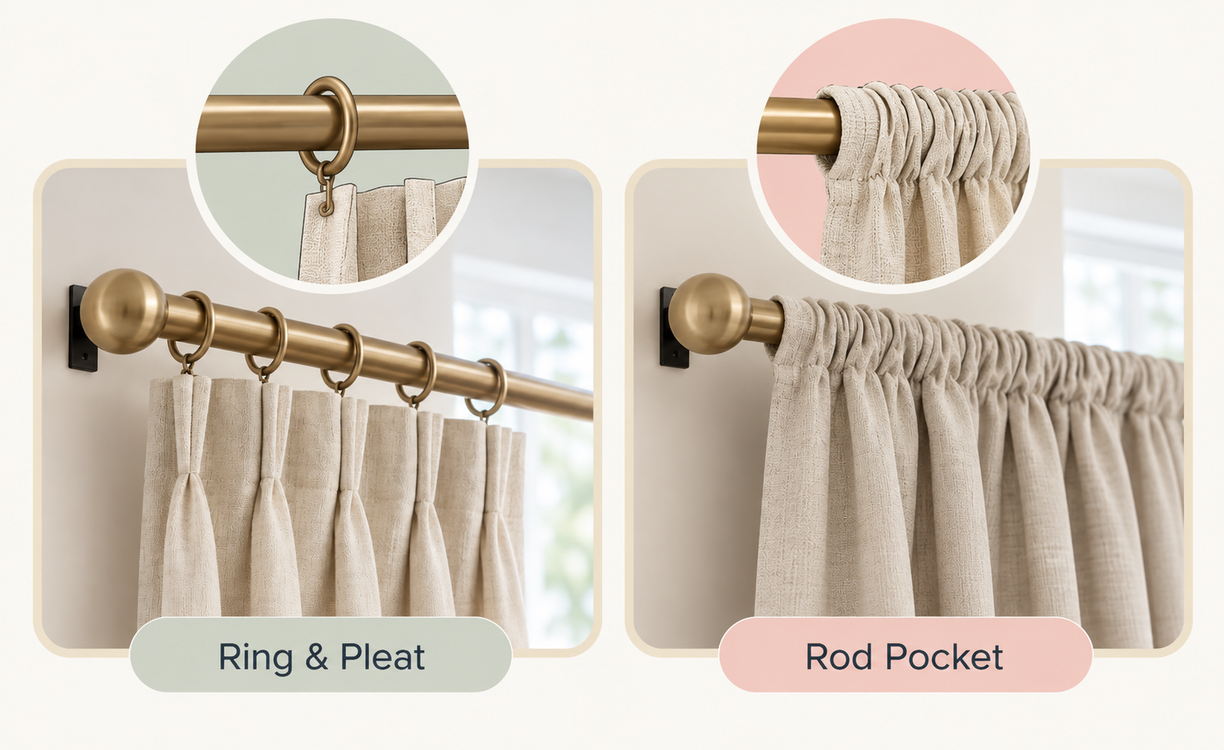
Ring and pleat headings hang from rings or hooks spaced along the rod. Each one carries a small share of the load, and the panel glides when you pull it.
In a rod-pocket heading, the rod slides through a fabric sleeve. With heavy fabric, that sleeve bunches, drags and strains the rod. Save rod pockets for sheers.
How to Hang Heavy Curtains Without Drilling
You can hang heavy curtains without drilling, as long as your brackets are rated for the weight. If the four steps above seem like a lot of work, we have an easier solution for you. Kwik-Hang curtain rod brackets hold up to 20 pounds each and install in minutes.
Weight is where most no-drill options run out. Adhesive brackets generally aren't rated for lined drapes plus a rod. Kwik-Hang brackets grip the wood of your window trim instead, the way a thumbtack grips a corkboard.
Here's what you need: traditional wooden window trim or casing at least 1/2 inch wide. Kwik-Hang brackets are not recommended for hardwoods like oak, or for PVC, MDF, metal trim or crown molding.
To install Kwik-Hang:
- Hold the bracket at the top corner of your window trim, right where the trim meets the wall.
- Press it in firmly by hand, or tap it in with a hammer or mallet.
- Place the curtain rod on your brackets.
That's it. There's no drill, screws, nails or measuring for bracket placement because the corner of the trim sets the spot.
For heavy curtains, use a 1-inch curtain rod and add a center support on windows wider than 60 inches. Hanging something lighter? Compare all four ways to hang curtains without drilling.
How to Hang Heavy Curtains With a Drill
With these factors in mind, here's how to hang heavy curtains with a drill. Spoiler alert: there's a no-drill solution later in this guide that will make the process much easier.
Step 1: Measure for Curtains
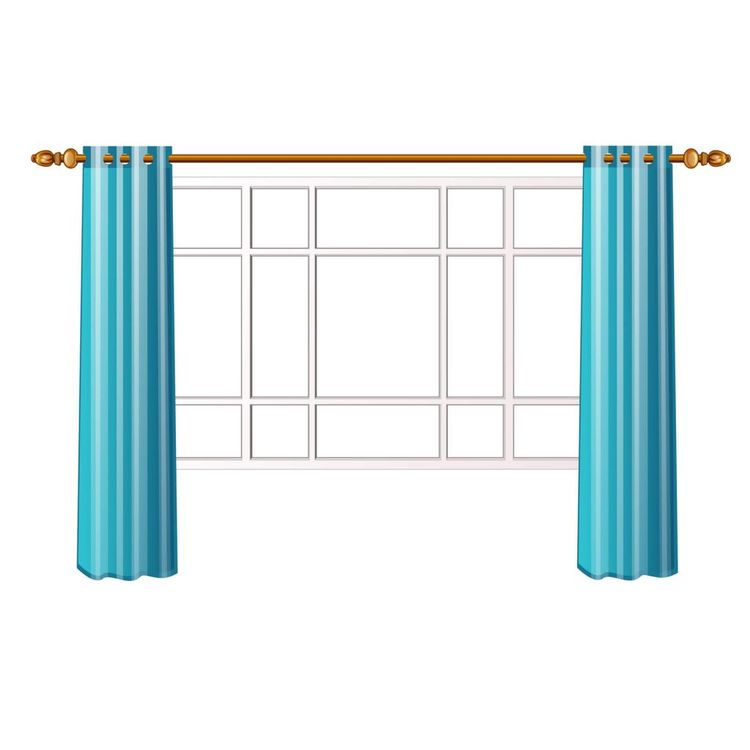
First, measure the window width and height. Make sure your curtain rod is at least 3 inches longer than your window width.
Want to go back to the basics? Check out our guide on how to hang curtains.
Step 2: Get the Right Rod & Tools
Pick your rod using the weight-per-foot math above. Don't forget to check the manufacturer's information to get the right number of brackets for the length of the rod.
You'll also need:
- Drill
- Rod screws
- Wall anchors
- Pencil
- Two-sided tape
Step 3: Install the Brackets
Mark the screw holes on the wall with a pencil while holding the bracket at the chosen height. Drill pilot holes at the marks, then insert the wall anchors.
Next, put a piece of two-sided tape on the back of the bracket and place it over the anchors. The tape holds the bracket in place and lines it up with the anchors while you insert the screws.
Step 4: Hang the Curtains
Once you've inserted the screws, attach the curtains to the rod and lift it to the brackets. Gently tug on the ends of the curtains to test the brackets.
Congratulations! You've successfully hung heavy curtains.
Fix a Sagging Curtain Rod With a Center Bracket
A curtain rod that sags in the middle needs a center bracket. Heavy fabric bows a long rod between its end brackets, and a third support under the midpoint carries that load.
The usual fix means drilling more holes above your window. Kwik-Hang's single and double center support brackets skip the drill. They tap into the top of your wooden window trim and hold up to 20 pounds.
How many do you need? Kwik-Hang bases it on window width:
- Up to 60 inches: no center support needed
- 61 to 120 inches: one center support bracket
- Wider than 120 inches: two center support brackets
Center supports start at $7.99 and pair with Kwik-Hang's left and right brackets, sold separately. Hanging sheers behind your drapes? Use the double version.
Hanging Heavy Curtains Is a Two-Person Job
Heavy drapes are awkward to lift, so hanging them is a two-person job. Have one person lift each end of the loaded rod. Heavy curtains that aren't properly secured can become a safety hazard, especially if you have pets or kids in the house.
The Hardest Part Is Choosing the Hardware
The hardest part of hanging heavy curtains is the hardware decision, not the labor. Weigh your curtains, then choose a rod and brackets rated for the load.
Kwik-Hang is The Original No-Drill Curtain Rod Bracket. Each bracket holds up to 20 pounds on wooden window trim. There's no drilling and no holes in your wall to patch later, which works for renters and homeowners alike.
Ready to hang heavy curtains without damaging your walls? Shop no-drill curtain rod brackets and center support brackets, and hang your drapes in minutes.
Frequently Asked Questions
How Much Weight Can a Curtain Rod Hold?
It depends on the rod and its brackets, so check the manufacturer's rating. To find what you need, divide your curtains' weight by the rod's length in feet. For example, 30 pounds on a 10-foot rod calls for 3 pounds per foot.
Do You Need Special Brackets for Heavy Curtains?
You need brackets rated for the weight of your curtains, and enough of them. Kwik-Hang recommends one center support bracket for windows 61 to 120 inches wide and two for anything wider.
Can No-Drill Brackets Really Hold Heavy Curtains?
Yes, if they're rated for it. Kwik-Hang no-drill curtain rod brackets hold up to 20 pounds per bracket, enough for everything from sheers to heavy drapery. They install on traditional wooden window trim at least 1/2 inch wide. They're not recommended for oak, PVC, MDF, metal trim or crown molding.
Do Heavy Curtains Need Two People to Hang?
Yes. A rod loaded with heavy drapes is awkward for one person to lift into both brackets at once. Have a helper hold one end while you hold the other.
What Is the Best Curtain Rod for Heavy Drapes?
The best curtain rod for heavy drapes is a 1-inch rod rated for your curtains' weight per foot. On windows wider than 60 inches, add a center support bracket.